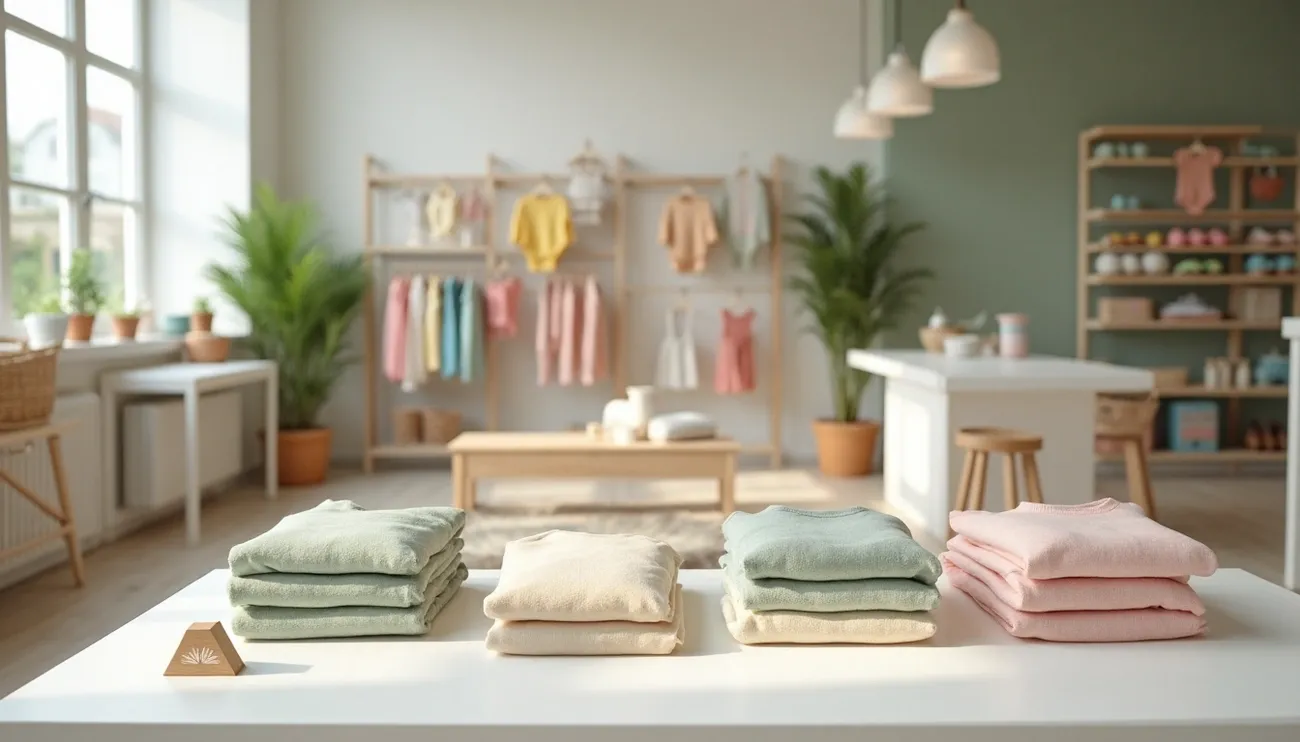
Kidswear business ideas are a great way to get into a market worth $267.50 billion in 2023 . The children’s apparel industry shows strong promise and will reach $294.80 billion by 2027, with a yearly growth of 2.46% .
The baby clothing market has seen a huge uptick in the need for eco-friendly options. Modern parents just need to know what touches their children’s skin is safe. Many of them actively look for organic and sustainable fabrics for their kids . The baby clothing world is changing faster as more parents choose organic cotton, bamboo, and hemp to match their priorities .
The phrase “print on demand” has grown by an impressive 280% in search volume in the last five years . This growth opens new doors in the kidswear sector. First-time entrepreneurs can tap into this multi-million dollar industry’s endless possibilities . You can find your perfect niche – from simple baby onesies to complete clothing lines that grow with children from infancy to pre-teen years.
Ready to jump into this promising market on a budget? Here are 12 affordable kidswear business ideas that work great for first-time entrepreneurs.
Organic Baby Clothing Line
The organic baby clothing market has become a profitable niche, valued at approximately $5 billion with an 8% yearly growth rate [1]. Parents who care about health and environmental issues can find unique opportunities in this segment of the kidswear industry.
What Organic Baby Clothing Line is
Organic baby clothing uses natural fibers that grow without synthetic pesticides, herbicides, or genetically modified organisms (GMOs) [2]. These clothes feature certified organic cotton, bamboo, hemp, or other environmentally responsible materials that manufacturers process without harmful chemicals [3]. Natural or low-impact dyes replace synthetic treatments to protect sensitive skin [2]. The most trusted organic clothing brands get their certification through standards like the Global Organic Textile Standard (GOTS). This certification guarantees organic integrity throughout production [4].
Why Organic Baby Clothing Line works
Parents pay more attention to what touches their children’s skin, which drives market growth [5]. Babies remain vulnerable to irritants and chemicals because their skin barrier doesn’t fully develop until age two [6]. Traditional cotton earns its reputation as the “world’s dirtiest crop” by using about 16% of global insecticides and 7% of pesticides [2].
Organic baby clothing provides these important benefits:
- Health benefits: Your baby faces less exposure to chemicals that might cause rashes, allergies, and other health problems [2]
- Comfort factors: Natural fibers let skin breathe and help maintain the right body temperature – vital for baby’s health [2]
- Environmental impact: Farmers who use organic methods support biodiversity and reduce pollution in water and soil [2]
- Durability: These clothes last longer and hold up better, so families can pass them down [2]
- Growing demand: American parents spend an average of $12,000 on newborns in their first year, and organic items take up an increasing share [7]
How to start an Organic Baby Clothing Line
Your first step in starting a kids clothing line should focus on defining your product range, materials, and required certifications [4]. Next, you’ll want to find reliable suppliers of GOTS-certified fabrics and ethical manufacturing partners [4].
Design plays a vital role in your collection. Parents appreciate practical features like elastic waistbands, adjustable straps, and easy-to-use snaps [7]. Your eco-friendly mission should extend to sustainable packaging and transparent business practices [8].
A focused product line works better than trying to offer everything right away. Many successful brands started small with essential items like onesies, rompers, or sleepwear before growing their lineup [8]. Organic materials cost more to produce, so you’ll need a pricing strategy that reflects quality while staying competitive [7].
Marketing should emphasize both health benefits for babies and positive environmental effects [3]. This approach helps parents understand the value of your organic products.
Personalized Kidswear Business
The children’s apparel sector has seen personalized baby clothing grow faster than ever quickest growing segments. Parents treasure these distinctive pieces not just as daily wear but also as keepsakes [9].
What Personalized Kidswear Business is
A personalized kidswear business creates custom children’s clothing with special touches that make each piece unique. Names, initials, birth dates, or special messages are added through embroidery, screen printing, and iron-on transfers [27, 30]. The product range includes:
- Embroidered rompers and bodysuits
- Monogrammed sweaters and t-shirts
- Custom baby blankets and accessories
- Personalized bibs and sleepwear
These businesses thrive through online stores, custom orders, or local boutiques. Customers can pick base garments and add personal details based on their priorities.
Why Personalized Kidswear Business works
Custom kidswear strikes a chord with today’s parents. Each piece reflects a child’s unique identity and personality [9]. Name-labeled clothing helps avoid mix-ups at daycare centers and nurseries [2].
These custom pieces mean more than just clothes. They become cherished keepsakes and family heirlooms [2]. Parents love sharing stories about their children when these unique items draw compliments and start conversations [2].
The business model succeeds because:
- Parents love exclusive items with sentimental value
- These pieces make perfect gifts for birthdays and special occasions [10]
- Custom products command premium prices
- Personalized items promote brand loyalty and repeat sales [10]
How to start a Personalized Kidswear Business
Starting a personalized kidswear business needs minimal investment but gives you creative freedom. Cricut cutting machines are available as a starting point to create custom baby clothes that look amazing [11].
Your brand story should explain what inspired you and connect with parents [10]. Build your online presence through e-commerce platforms like Shopify or WooCommerce [10].
Social media marketing is crucial – Instagram, Pinterest, and Facebook work great to showcase children’s fashion [10]. Keep customers engaged by building an email list with incentives like discounts or early access to new collections [10].
Quality and creativity should guide your designs. You might want to work with graphic designers who specialize in children’s artwork if design isn’t your strong suit [10]. The best personalized clothing businesses use organic cotton that’s gentle on sensitive skin [9].
Baby Accessories Store

Image Source: Grand View Research
Baby accessories are a thriving market segment. The UK alone sees approximately 700,000 babies born each year, which creates steady business for infant products [6]. A baby accessories store lets entrepreneurs stock everything parents need throughout their child’s early development, unlike more focused niches.
What Baby Accessories Store is
Baby accessories stores sell products parents need for their infants and toddlers, going beyond just clothing. You’ll find pacifiers, teethers, baby blankets, swaddlers, bath and safety products, nursery décor, diaper bags, and keepsakes in these stores [12]. The business can run through a physical storefront, online, or both to reach more customers [6]. Successful stores focus on safe, high-quality products that solve parents’ everyday challenges while looking great [13].
Why Baby Accessories Store works
The baby accessories market offers several advantages. Parents with packed schedules love online shopping because they can browse during naptimes or after bedtime without dragging their kids through crowded stores [4]. Baby products stay in demand whatever the economic conditions, making this business recession-resistant [14].
Accessories bring higher profit margins than clothing alone. Parents put quality and safety ahead of price when it comes to their baby’s wellbeing [13]. The gift market adds another revenue stream, as friends and family love buying baby accessories for showers and celebrations [6].
How to start a Baby Accessories Store
Starting your baby accessories business needs good planning. Research your market to understand trends, competition, and profit potential in your area [6]. You might want to focus on a specific niche—luxury items, green products, or age-specific necessities—to stand out from competitors [6].
Finding reliable suppliers comes next. Look through online directories, wholesale platforms like Faire, or build direct relationships with manufacturers [8]. Many store owners succeed by partnering with independent brands that offer unique products you won’t find in big chain stores [8].
Create a business plan that covers:
- Startup budget (inventory, store setup, marketing, permits)
- Target customer profile
- Product selection strategy
- Online/offline sales approach
- Marketing tactics
Start your inventory with items that sell steadily—bath products, feeding supplies, and nursery basics—before adding specialized products [12]. A small, carefully chosen selection, maybe through pop-up shops or online-only sales, helps test the market before making bigger investments [15].
Seasonal Kidswear Line

Image Source: Fortune Business Insights
Kids’ fashion changes with seasons. This gives entrepreneurs a great chance to profit from yearly buying patterns. A seasonal kidswear line can make use of holidays, weather changes, and special events. These factors help create steady sales cycles without much original investment.
What Seasonal Kidswear Line is
A seasonal kidswear line creates themed clothing collections that match different times of the year. Business owners design and sell clothes that suit the weather. They also create holiday-themed items like Halloween costumes, Easter bunny outfits, and Christmas pajamas. The business runs on a yearly calendar. Teams plan collections months ahead to meet customer needs. The biggest challenge lies in managing inventory since certain items sell only during specific times.
Why Seasonal Kidswear Line works
Seasonal kidswear businesses thrive for several reasons. Parents just need specific items by certain dates, which creates natural deadlines. Themed clothing brings higher profits compared to everyday wear [16]. On top of that, seasonal marketing gets more and thus encourages more brand recognition through emotional stories [7].
The market shows steady buying patterns with clear peaks throughout the year:
- Back-to-school (August-September) – the largest season for children’s apparel [7]
- Holiday season (November-December) – featuring festive gift guides and cozy styles
- Spring refresh (March-April) – promoting lightweight, colorful clothing
- Summer vacation (May-July) – highlighting breathable fabrics and outdoor gear
These predictable cycles create what experts call it a “recurring sales engine” that keeps customers interested all year [7].
How to start a Seasonal Kidswear Line
You should plan your inventory 3-6 months before each season to launch a successful kidswear business [16]. Looking at sales data from past years helps identify patterns in how customers buy [1]. This helps you predict demand changes and reduce risks of excess stock.
Create a promotional calendar that matches seasonal changes. Email marketing campaigns are a great way to get high conversion rates for seasonal promotions [7]. You can improve your strategy by tracking how well campaigns perform through metrics like click-through rates and revenue per campaign.
Weather-appropriate clothing remains important. However, holidays and special events often bring better returns. Many successful entrepreneurs start with one season or holiday theme. They expand to year-round offerings later.
Online Resale Platform for Kidswear
The second-hand children’s clothing market shows remarkable growth. Experts predict it will double to $73 billion by 2028 [5], growing 11 times faster than traditional retail [5]. Modern parents look for pre-loved kidswear that matches their environmental values and budget needs.
What Online Resale Platform is
Parents can buy and sell gently used children’s clothing through online resale platforms. These marketplaces work in two ways. Peer-to-peer platforms like Facebook Marketplace and Poshmark let sellers manage their own listings [17]. Consignment services like ThredUP take care of photography, pricing, and shipping [18]. You’ll find specialized kidswear sites like Kidizen [19] and general marketplaces with children’s sections. Some forward-thinking platforms even help ethical brands run take-back programs to create circular fashion systems [3].
Why Online Resale Platform works
Children outgrow their clothes quickly, making second-hand options a smart financial choice. Parents can save money substantially while getting quality brands at reduced prices throughout their kids’ growth stages [20].
77% of millennials prefer eco-friendly shopping options [5]. Second-hand kidswear helps reduce waste from the fashion industry, which ranks among the world’s biggest polluters [20].
These platforms offer extra perks:
- Clothes come pre-washed, softened, and pre-shrunk [21]
- Kids wear items with fewer chemicals than new garments [21]
- Shoppers find unique, vintage pieces not available in stores [20]
- Stock keeps changing as customers come and go [5]
How to start an Online Resale Platform
Starting your kidswear resale business begins with choosing how you’ll operate. You might pick an existing e-commerce platform to keep things simple [22] or build a specialized website to showcase your brand. Next, decide how you’ll get inventory—either from local sellers or through brand partnerships with take-back programs [3].
Set clear quality standards and inspection processes for incoming items [21]. Your platform can stand out by offering extras like sanitizing, professional photos, or curated collections. Remember that your pricing needs to balance affordability with profits, usually selling items 50-70% below retail [5].
Gender-Neutral Kidswear Brand

Image Source: LeelineApparel
The gender-neutral kidswear market shows promising growth with a projected 6.5% annual increase from 2025 to 2030 [23]. This trend gives entrepreneurs a chance to move beyond traditional color and design limits while meeting parents’ changing priorities.
What Gender-Neutral Kidswear Brand is
A gender-neutral kidswear brand creates children’s clothing without the usual gender stereotypes. These brands make clothes that any child can wear, whatever their gender identity. You’ll find neutral colors, inclusive fits, and designs that avoid gender-specific messages [10]. Rather than sticking to pink for girls and blue for boys, these collections feature earth tones, graphic prints, and practical designs that put comfort first [10]. Children aged 7 and under grow at similar rates, which makes separate dress forms unnecessary for younger sizes [24].
Why Gender-Neutral Kidswear Brand works
Modern families find gender-neutral clothing appealing both practically and philosophically. Children can express themselves freely through their clothes without traditional gender restrictions [25]. The business side makes sense too – these versatile pieces work great as hand-me-downs between siblings of any gender, which adds to their value and longevity [26].
The main advantages include:
- Better wardrobe use through versatile pieces
- Clothes last longer as they pass between children
- They appeal to parents who want environmentally responsible options
- Inventory management becomes easier with fewer variations
How to start a Gender-Neutral Kidswear Brand
Starting your own line begins with studying successful brands like Primary, Piupiuchick, and Misha and Puff [27]. Create timeless designs using high-quality, sustainable materials. Many successful brands choose organic cotton, bamboo blends, or linen [10]. Your brand story should clearly show your values and steadfast dedication to inclusivity [28].
Start with easy-to-match basics in neutral colors. Comfort and function matter most – features like stretchy waistbands and adjustable elements work well for different body types [24]. A social-first approach helps showcase your inclusive vision and connects you with your target audience.
Baby Footwear Line
Baby footwear is a chance for entrepreneurs to blend functionality with cute designs. This niche market lets you create protective, development-friendly shoes that parents want for their growing babies.
What Baby Footwear Line is
A baby footwear line creates shoes designed specifically for developing feet from newborns to toddlers. These shoes help proper foot development with soft, flexible soles that feel like barefoot walking but provide protection. Successful baby shoe companies sell different styles. They include soft-soled fabric shoes for pre-walkers, first-walker shoes with flexible soles, and slightly sturdier options for toddlers [9]. Pediatric health experts recommend baby shoes with wide toe boxes that allow natural toe splaying, zero-drop (flat) design, and flexibility [2].
Why Baby Footwear Line works
Baby footwear lines thrive because they meet both developmental needs and parent concerns. Health experts recommend barefoot walking for optimal foot development, but protective footwear is essential for outdoor activities [2]. Parents just need well-designed shoes consistently.
Key advantages include:
- Low material requirements – Baby shoes only need two fat quarters (1/4 yard) of fabric, which keeps startup costs low [9]
- Repeat purchasing – Babies grow out of shoes fast and need new pairs every 3-4 months [29]
- Premium pricing potential – Parents don’t mind paying more for quality footwear that helps healthy development [30]
How to start a Baby Footwear Line
Starting your baby footwear business begins with choosing your specialty – maybe even soft-soled crib shoes, first walkers, or eco-friendly options. Next, find good materials like organic cotton, lightweight cotton twill, or sustainable leather from LWG-certified tanneries [31]. In fact, many successful brands use recycled thermoplastic rubber for soles because it’s lightweight and durable [31].
You can start with handmade production using online patterns or build strategic collaborations with small-batch manufacturers. Focus on developmental features like flexible soles and proper sizing guidelines for different age groups during development [29]. Set clear quality standards and highlight comfort, protection, and developmental benefits in your marketing.
Kidswear Subscription Box
Kidswear subscription boxes are getting more popular faster as they offer a hassle-free option for busy parents who find traditional shopping challenging. These curated clothing services make life easier by delivering individual-specific style right to your door.
What Kidswear Subscription Box is
A kidswear subscription box delivers carefully selected children’s clothing items to families based on a regular schedule. Parents fill out a style quiz to share their child’s priorities, sizes, and budget limits [32]. Each box includes 8-15 clothing pieces that create multiple mix-and-match outfits. The service works in two main ways: professional stylists pick items based on your profile, or you get boxes with pre-selected items. Families can try everything in their home’s comfort, keep what works, and send back the rest—usually with shipping labels included.
Why Kidswear Subscription Box works
The subscription model runs on making things simple. Parents save over 40 hours they would spend shopping each year through these services. The business succeeds for several key reasons:
- Flexible scheduling – You can set up automatic deliveries from every two weeks to every three months, or just order when you need boxes
- Try-before-you-buy advantage – Kids can test their clothes at home without the stress of store fitting rooms
- Cost efficiency – Most services give you 25-40% off when you keep everything in your box
- Personalization factor – Your boxes get better matched to your style as you give more feedback
How to start a Kidswear Subscription Box
Starting this business needs a full picture of the market and clear understanding of your target customers—you might focus on specific ages, styles, or price ranges [35]. You’ll need to choose between two approaches: offering styling services with professional input, or sending fixed boxes with pre-selected items [34].
Your financial plan should cover inventory costs, shipping, and returns. Successful subscription services often use tiered pricing—offering 8-piece, 12-piece, or 15-piece boxes with bigger discounts for larger orders.
The technical side needs resilient systems to handle customer profiles, style choices, and shipping logistics. You should create an optimized process to manage returns, as this really affects customer satisfaction. Building strong relationships with clothing suppliers or manufacturers helps ensure you’ll have quality items in stock when you need them.
Themed Kidswear Collection
Graphics, characters, and coordinated concepts help themed collections take center stage in kidswear. These designs fascinate both children and parents alike.
What Themed Kidswear Collection is
A themed kidswear collection brings children’s clothing to life through specific concepts, characters, or motifs that connect multiple pieces. The designs work together across garments of all types and let kids mix and match their outfits easily. Animals, nature elements, cartoon characters, positive messages, and seasonal motifs remain popular choices [36]. Many brands have found success with family matching sets like father/daughter t-shirts or holiday pajamas that appeal to everyone [36]. These collections use eye-catching graphics that strike a chord with what children love, which creates deeper emotional bonds.
Why Themed Kidswear Collection works
These collections thrive because they spark high consumer involvement and viral marketing potential [16]. Kids naturally love clothes with their favorite characters, while parents value how these items let their children show their unique personalities. Themed collections bring several benefits:
- Better profit margins than simple items
- More shareable content on social media
- Perfect gift options for special occasions
- Chances to create mutually beneficial alliances with character licenses
The best themed collections blend creativity with everyday practicality. They include fun designs but never compromise on the comfort and functionality parents need.
How to start a Themed Kidswear Collection
Your themed kidswear collection should begin with concepts that appeal to many people. Look at pop culture trends, timeless favorites like animals or nature, or messages that never go out of style [38]. Then decide whether to design original artwork or get licenses for prominent characters.
Quality graphic design makes a difference. Watercolor styles, embroidered elements, or hand-drawn illustrations can help distinguish your products [38]. Keep your color choices and design elements consistent across each piece in the theme.
A single, well-crafted theme serves as an excellent starting point. This lets you gage market response without stretching your resources too thin. Successful themed collections grow and change while keeping the core design elements their customers recognize and appreciate.
Dropshipping Baby Clothing Business
Starting a baby clothing brand without inventory might seem impossible. Dropshipping turns this dream into reality for first-time entrepreneurs who have minimal capital. The baby clothes market will reach about 48.67 billion U.S. dollars worldwide by 2028 [39], making it a great opportunity for new business owners.
What Dropshipping Baby Clothing Business is
A dropshipping baby clothing business lets you sell children’s apparel online without keeping inventory. You’ll only buy items after customers place their orders. Your supplier ships products straight to your customers, often using “blind shipping” so packages look like they’re from your brand. This model includes baby clothing categories like onesies, pajamas, rompers, dresses, hats, and socks [39]. Many successful dropshippers focus on special niches like organic baby clothes made from cotton, linen, silk, or other natural fibers [41].
Why Dropshipping Baby Clothing Business works
The dropshipping model runs on removing traditional barriers:
- Constant demand – Babies are born every day worldwide, creating an evergreen market for clothing
- Low financial risk – No upfront inventory investment lets you start with limited capital
- Product variety – Baby clothing options help you target different priorities and occasions
- Easy shopping – Parents love online shopping because they’re busy and tired
Dropshipping gives you amazing flexibility. You can test different products and adjust your offerings based on what sells. Your business can grow steadily as revenue comes in.
How to start a Dropshipping Baby Clothing Business
Research helps you find winning products that line up with what customers want [39]. Find reliable suppliers who offer quality merchandise, fair pricing, flexible returns, and quick shipping times. Getting product samples before listing them in your store is crucial [39].
Building your online presence comes next. Successful dropshippers often create their own e-commerce websites instead of using marketplaces. This strategy helps build a stronger brand [39]. Keep clear communication with suppliers to track inventory and process orders smoothly [43].
This competitive niche needs something special. Green baby clothing could be your focus, with its 9.1% annual growth rate [44].
Print-on-Demand Kidswear
Print-on-demand technology is changing the kidswear industry. It lets entrepreneurs create custom children’s clothing without keeping inventory. This business model combines creativity with practicality and is a great way to get started for aspiring children’s clothing designers.
What Print-on-Demand Kidswear is
Print-on-demand kidswear works on a made-to-order basis. Products are made only after customers place their orders. The production method puts custom designs on blank children’s garments. It uses various printing technologies like direct-to-garment (DTG) printing that applies specially formulated inks to fabric fibers. The products include youth t-shirts, hoodies, pajamas, sweatshirts, shorts, baby bodysuits, baseball jerseys, soccer uniforms, and button-down shirts [46]. Most POD platforms feature garments from prominent brands like Bella+Canvas, Comfort Colors, Gildan, and Rabbit Skins [45].
Why Print-on-Demand Kidswear works
This business model runs on eliminating financial barriers to entry. POD doesn’t require upfront inventory investment because products are created after sale [38]. New entrepreneurs benefit from reduced overhead costs since their POD provider handles printing, packaging, and shipping [38].
Additional advantages include:
- Freedom to offer many designs without inventory limits
- Global market access through local production networks
- Green operations as items are made only after purchase
- Simple design testing without financial risk
How to start a Print-on-Demand Kidswear Business
Starting your POD kidswear business begins with picking a reliable platform. Printful, Printify, or Gooten specialize in children’s apparel [38]. You can combine these POD services smoothly with e-commerce platforms like Shopify, WooCommerce, or BigCommerce [48]. Create designs that appeal to both children and parents—colorful, vibrant designs often perform exceptionally well [47].
Product quality needs careful attention. Request samples before launch. Many successful POD businesses use organic cotton garments because they’re soft against children’s sensitive skin [47]. You can build a clear brand identity and marketing strategy that focuses on your unique selling point, whether it’s sustainable materials, educational designs, or adorable illustrations.
Local Baby Boutique Pop-Up
Pop-up boutiques are a great way to enter the kidswear market. They let you test your baby clothing ideas without the commitment of a permanent store. New entrepreneurs can check market interest with minimal risk before making big investments.
What Local Baby Boutique Pop-Up is
A local baby boutique pop-up runs for a short time, usually a few days to several weeks [49]. These short-term shops create urgency that brings more customers compared to permanent stores. Your pop-up can showcase baby clothing collections, organic fabric options, tailored styling services, or sensory play zones for kids while parents shop [50]. These spaces work best in busy areas, local markets, family festivals, or inside established kid-friendly businesses.
Why Local Baby Boutique Pop-Up works
The limited time nature of pop-ups gets more customers excited. People tend to visit sooner when they know the boutique won’t stay open long [49]. These shops bring several benefits:
- Direct customer interaction builds stronger brand connections
- Market research through immediate customer feedback
- Content creation as customers share their experience
- Partnership opportunities with local businesses in the area [13]
Pop-ups strike a balance between online and offline strategies. They help you connect with local parents and test different products or pricing with minimal risk.
How to start a Local Baby Boutique Pop-Up
Start by setting clear goals – test new products, build brand awareness, or learn about physical retail [51]. Find the right venue next. Most entrepreneurs rent temporary spaces at $128 per hour, while smaller spots cost about $124 [52]. Design attractive displays that use your space well and highlight your kidswear [53].
Market your pop-up by leaving flyers at pediatrician offices and community centers where parents visit often [13]. Build your email list by collecting customer information during your pop-up. After closing, compare results with your original goals to improve future pop-ups [51].
Comparison Table
| Business Idea | Market Value/Growth | Key Features | Main Benefits | Original Requirements | Target Audience |
|---|---|---|---|---|---|
| Organic Baby Clothing Line | $5B market, 8% annual growth | Natural fibers, GOTS certification, chemical-free processing | Better health, comfort, effects on environment | GOTS-certified suppliers, eco-friendly materials, certification | Parents who care about health |
| Tailored Kidswear Business | Not mentioned | Custom names/dates, embroidery, monogramming | Unique items, emotional value, easy identification | Design skills, customization tools (e.g., Cricut) | Parents who value unique items, gift buyers |
| Baby Accessories Store | 700,000 babies born annually (UK market) | Wide range of must-have items, nursery products | Steady sales, resistant to recession, good profits | Trusted suppliers, selected inventory, business permits | First-time parents, gift shoppers |
| Seasonal Kidswear Line | Not mentioned | Weather-ready clothing, holiday themes | Easy to predict sales, better profits | Planning 3-6 months ahead, seasonal stock | Parents buying for special events |
| Online Resale Platform | Expected to reach $73B by 2028 | Second-hand clothing marketplace, quality checks | Money savings, helps environment, quick stock turnover | Quality rules, checking process | Money-smart parents, green shoppers |
| Gender-Neutral Kidswear Brand | 6.5% annual growth (2025-2030) | Neutral colors, fits for all, flexible designs | More versatile, simpler stock, eco-friendly | Earth-friendly materials, designs for everyone | Forward-thinking parents, aware buyers |
| Baby Footwear Line | Not mentioned | Soft soles, growth-friendly design | Regular buyers, premium prices possible | Material sources, child development knowledge | Parents of babies learning to walk |
| Kidswear Subscription Box | 40+ shopping hours saved annually | Hand-picked items, try-then-buy choice | Easy shopping, saves time, tailored picks | Stock system, style knowledge | Parents short on time |
| Themed Kidswear Collection | Not mentioned | Matching designs, character clothes | High customer interest, social sharing, gift-worthy | Design talent, theme creation, licenses | Parents, gift buyers |
| Dropshipping Baby Clothing | $48.67B by 2028 | No stock needed, direct delivery | Low risk, easy to grow | Online store, reliable suppliers | Online buyers |
| Print-on-Demand Kidswear | Not mentioned | Made when ordered, custom designs | No stock costs, design freedom | Design skills, print partner deals | Design-loving parents |
| Local Baby Boutique Pop-Up | $124-128/hour venue cost | Short-term shop, limited offers | Meet customers, test market | Temp space, display items | Local families, event buyers |
Conclusion
The kidswear business opens up amazing opportunities for first-time entrepreneurs in this thriving market. The children’s apparel industry sits at $267.50 billion and keeps growing steadily toward $300 billion by 2027. Of course, each of the twelve business models brings its own advantages based on your interests, skills, and available resources.
The organic baby clothing market might catch your eye if you’re passionate about the environment. Creative minds could thrive with tailored kidswear or themed collections. You could also start with dropshipping or print-on-demand models that need minimal upfront investment and zero inventory costs.
Parents always put quality, safety, and style first when buying clothes for their kids, whatever the economic situation looks like. This creates a market that stays strong even during recessions, with steady sales throughout the year. The market also shows growing interest in gender-neutral designs and environmentally responsible materials as consumer priorities shift.
Your personal strengths should match market opportunities before you launch your kidswear venture. Think about whether you’d enjoy creating original designs, picking existing products, or offering specialized services. Some business models might need more technical know-how than others, but all twelve options are available without breaking the bank.
Creativity, practicality, and understanding what parents want drive success in the kidswear industry. Success comes from making parents’ lives easier while keeping their kids happy – whether you focus on seasonal collections, specific age groups, or specialized items like baby footwear.
Take time to learn about your passion, assess your resources, and pick a business model that lines up with your vision. The growing kidswear market is ready for your unique ideas – which of these twelve paths will catch your interest first?
Key Takeaways
The kidswear industry presents exceptional opportunities for first-time entrepreneurs, with the market valued at $267.50 billion and growing steadily to reach nearly $300 billion by 2027.
• Start with low-risk models: Dropshipping and print-on-demand eliminate inventory costs, while pop-ups test markets without permanent commitments.
• Focus on growing niches: Organic baby clothing (8% annual growth) and gender-neutral designs (6.5% growth) offer premium pricing opportunities.
• Leverage recurring demand: Children outgrow clothes quickly, creating consistent repeat purchases and a recession-resistant business model.
• Prioritize convenience solutions: Subscription boxes save parents 40+ shopping hours annually, while personalized items solve practical daycare labeling needs.
• Capitalize on sustainability trends: The resale market will reach $73 billion by 2028 as eco-conscious parents seek pre-loved options.
The children’s apparel sector rewards entrepreneurs who understand that parents consistently prioritize quality, safety, and convenience over price, making it an ideal market for creative business solutions that simplify parenting while delighting children.
FAQs
Q1. What are some easy kidswear business ideas for beginners?
Some low-cost kidswear business ideas suitable for first-time entrepreneurs include starting an online resale platform, launching a print-on-demand service, or creating a themed kidswear collection. These options require minimal upfront investment and allow you to test the market before scaling.
Q2. How can I start a kidswear brand with limited resources?
To start a kidswear brand on a budget, consider dropshipping or print-on-demand models that eliminate inventory costs. You can also begin with a focused product line, such as organic baby clothing or gender-neutral designs, to differentiate your brand without extensive capital.
Q3. What are the key steps to launching a children’s clothing business?
Key steps include researching your target market, defining your niche (e.g., organic, personalized, or themed clothing), sourcing reliable suppliers or manufacturing partners, creating a strong brand identity, and developing an effective marketing strategy. Start small and scale as you gain traction and customer feedback.
Q4. How can I make my kidswear business stand out in a competitive market?
To stand out, focus on a specific niche like sustainable materials, offer unique designs or personalization options, provide excellent customer service, and leverage social media for marketing. Consider innovative business models like subscription boxes or pop-up stores to create buzz and attract customers.
Q5. What are some trending opportunities in the kidswear industry?
Current trends in the kidswear industry include gender-neutral clothing, sustainable and organic materials, personalized items, and themed collections based on popular characters or concepts. The resale market for children’s clothing is also growing rapidly, offering opportunities for entrepreneurs interested in circular fashion models.
References
[1] – https://bebek.clothing/en/blog/detail/17
[2] – https://www.reddit.com/r/ScienceBasedParenting/comments/14y5i0l/what_are_important_qualities_to_look_for_when/
[3] – https://thelittleloop.com/?srsltid=AfmBOopuhRrBO0CGiLICdjFK7sLKp4vQF3zOKNpB5CWZHLUnTxSdX63l
[4] – https://www.snugglebubs.com.au/blogs/blogs/why-shopping-online-is-easier-than-in-store-when-you-have-kids?srsltid=AfmBOopF-ZAQH8D8TnvoA6opC-2eUXIqTK-LE4yYe3afJDcxQP_NanT4
[5] – https://kidtokidfranchise.com/childrens-resale-clothing-franchise/the-market-for-childrens-resale-apparel-is-booming/
[6] – https://countingup.com/resources/how-to-start-a-baby-boutique-business/
[7] – https://completegurus.com/seasonal-campaigns-for-kids-clothing-brands-back-to-school-and-beyond/
[8] – https://www.faire.com/category/Kids & Baby
[9] – https://blog.spoonflower.com/2018/11/20/diy-baby-shoes-free-pattern/
[10] – https://alterraretail.com/blogs/news/embracing-gender-fluid-fashion-in-kidswear-style-without-limits?srsltid=AfmBOoqbI3atIF4KRlE1sfjYGe9m8fQnSP3dHkSF9u2ufYuLM0p2HsJf
[11] – https://finmodelslab.com/blogs/how-to-open/childrens-subscription-box?srsltid=AfmBOoql7e633MIEQ5HJFRTqDKFYZ4gwk3JEyJW151JV2OQe2WGAIfxx
[12] – https://www.kellisgifts.com/wholesale-baby-items/
[13] – https://clickup.com/p/small-business/how-to-start-baby-and-toddler-clothing-boutique-business
[14] – https://www.riverbabygroup.com/how-to-start-baby-product-business/
[15] – https://desygner.com/blog/industry/how-to-start-baby-gear-furniture-business
[16] – https://aasaan.app/blog/profitable-kidswear-business-ideas/
[17] – https://bouncemkt.com/blogs/recommerce-rethink/how-to-sell-your-kids-used-clothing-online-a-step-by-step-guide?srsltid=AfmBOooxZKxPe9752GR8owIaqVYy0BqkPEz-SP389P5GcV0JCuHTFNmk
[18] – https://www.thredup.com/bg/p/best-place-to-sell-kids-clothes
[19] – https://www.munamommy.com/side-hustle-2022-start-selling-your-pre-loved-kids-clothes-online/
[20] – https://faircado.com/mag/5-benefits-of-secondhand-shopping-for-kids/
[21] – https://handmeupshop.com/blogs/news/safe-and-sustainable-the-benefits-of-buying-secondhand-kids-clothing?srsltid=AfmBOor658C-u4at2nXupEGQ_sGP4U-kE1R0VxdazKFUt6Jb1Y73nAGg
[22] – https://wowcommerce.co.uk/blog/sell-childrens-fashion-online
[23] – https://www.leelineapparel.com/how-to-start-a-kids-clothing-line/
[24] – https://www.primary.com/blogs/using-our-words/gender-neutral-kids-clothes-explained?srsltid=AfmBOoofDz9ABe_cddYP9L6d1HpLOpk84G8dmzafbDOj4jfg4C7p3rER
[25] – https://www.kidzcorneruk.com/blog/gender-neutral-kids-clothing-why-its-gaining-popularity
[26] – https://crannorganic.com/blogs/crann-organic-blog/gender-neutral-clothing-for-kids?srsltid=AfmBOooY3_owB63PWvnHM6poDDRkf8gZT4UN8Fv-5n1nRSEYG-4zXSvW
[27] – https://coucou-boston.com/blogs/news/the-trend-of-gender-neutral-kids-clothing-why-it-matters?srsltid=AfmBOoqlBF6fVh5PsC2gVYMS01u_-yYMO64Jmu7wgPJBGguldpNNGWMP
[28] – https://sowkids.com/blogs/news/why-choose-gender-neutral-clothing-for-your-child?srsltid=AfmBOopRJL90MZMg49Nmfyx2QuZJeV9uEzjuLnBpH7tCkDw54xXckA_M
[29] – https://www.robeez.com/sizing-help/
[30] – https://grookz.com/blogs/baby-shoe-blogs/the-benefits-of-investing-in-high-quality-baby-shoes?srsltid=AfmBOooKwI2VzhovOn5xiRxmMN863rJNKA2ubCiHu4tkvmLZ0wS4SuMP
[31] – https://pipandhenry.com/pages/production-materials?srsltid=AfmBOopj36dOrC-35EJ7Gt_sVh2yFzKR1UiPeaowz-fnmtF_KLy0k41z
[32] – https://www.stitchfix.com/kids?srsltid=AfmBOoqz94_xcUbYTaNDNc3cOgCb5-EYsj-mazgWlSKhGLuy8PSTeJKy
[33] – https://www.kidpik.com/
[34] – https://www.reviewed.com/parenting/features/clothing-subscription-boxes-for-kids-review
[35] – https://providence.kidsoutandabout.com/content/15-clothing-subscription-boxes-kids-moms-and-dads
[36] – https://appareify.com/hub/kids-clothing/how-to-start-kids-clothing-line
[37] – https://www.patpat.com/?srsltid=AfmBOoqTqrMRriPB9t5wgHqj9TdQf35pLd4ijYWxOq7h4FQx0T2sEVy6
[38] – https://www.printful.com/blog/how-to-start-a-kids-clothing-line
[39] – https://www.autods.com/blog/dropshipping-niches/dropship-baby-clothes/
[40] – https://www.kidsblanks.com/dropshipping/?srsltid=AfmBOooCrwgNeD0Rv8xX9-RKTzMCf7IwyvbxY7vf90Tehv4K_dUNtkN9
[41] – https://www.shopify.com/blog/dropship-baby-products
[42] – https://www.spocket.co/blogs/dropship-baby-products?srsltid=AfmBOopURl1bs6vYfOSxDeQrtQ2cWZ2iPRPE3lGb1FoD2_wqthjcHyOz
[43] – https://www.inventorysource.com/dropship-baby-products-toys/
[44] – https://thestay-at-home-momsurvivalguide.com/starting-a-baby-product-dropshipping-store-a-step-by-step-guide-for-new-parents/?srsltid=AfmBOooM8nM4zYwnUj8fzpX43R8WUQsG_bZet_A-nTV82kFYmSbx9VCJ
[45] – https://www.gooten.com/print-on-demand/kids-baby-clothing/
[46] – https://merchize.com/product-category/kids-clothing/
[47] – https://teemill.com/blog/selling-sustainable-kids-clothes-online/
[48] – https://qikink.com/blog/starting-your-print-on-demand-baby-t-shirt-business-a-step-by-step-guide/
[49] – https://www.shopify.com/retail/pop-up-shop-ideas
[50] – https://printify.com/blog/what-is-a-pop-up-shop/
[51] – https://www.thestorefront.com/mag/planning-pop-up-store-set-success-checklist/
[52] – https://www.peerspace.com/plan/pop-up
[53] – https://www.tiktok.com/discover/pop-up-baby-boutique-clothes-display-ideas