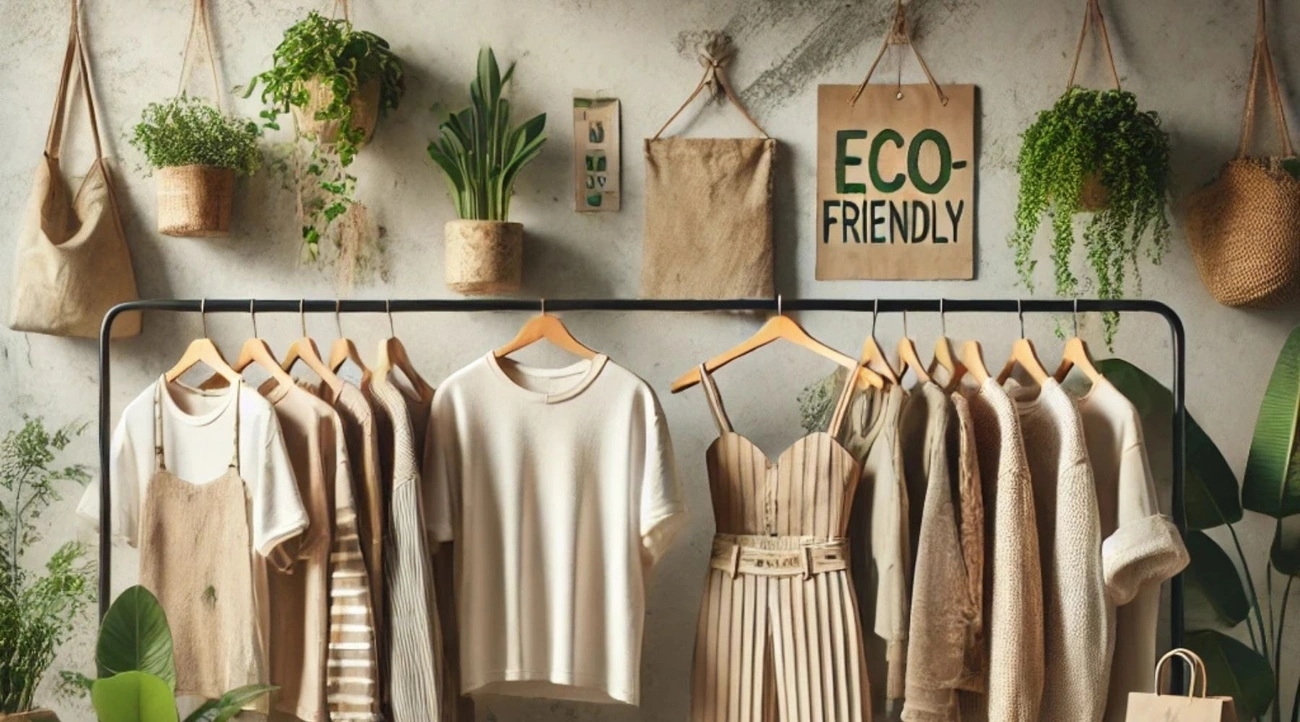
Sustainable fashion trends are not just passing fads anymore — they have become the new standard in an industry that needs change badly. The fashion sector ranks among the most resource-intensive industries worldwide and generates between 3% and 8% of total greenhouse gas emissions. What brands once called “alternative” has become crucial to survive in today’s conscious marketplace.
The cost of dismissing sustainable fashion trends has become too big to overlook. Brands destroy between 264,000 and 594,000 tons of textiles before they even reach stores, with unsold textiles in Europe averaging around 21%. Fast fashion giants like Shein and Temu face ongoing criticism about overproduction, textile waste, and possible labor exploitation. Consumer priorities now move faster toward sustainable fashion trends that value transparency and ethical practices.
The EU mandates that all textile products must be sustainable, repairable, and recyclable by 2030. This new regulation aligns with current sustainable fashion trends that change production methods already — brands now replace traditional dyeing processes that used billions of water gallons with pressurized CO2 or digital printing technologies. Innovative brands like MUD Jeans now use up to 40% recycled denim in each product.
Future sustainable fashion market trends raise important questions. Extreme weather events could threaten $65 billion worth of apparel exports by 2030, and the industry faces major challenges and chances to reinvent itself. Here are 10 sustainable fashion trends that experts believe will shape 2026 — and might save the industry from itself.
1. Regenerative Materials

Image Source: Fashion United
Regenerative materials are revolutionizing sustainable fashion. These materials do more than just reduce environmental damage – they help restore and improve the environment they interact with. The materials come from regenerative agriculture systems that bring new life to soil, boost biodiversity, and help curb climate change through carbon sequestration [1].
Agricultural systems play a huge role in fashion production. The industry now sees regenerative materials as a solution to its environmental challenges. Cotton takes up 2.5% of the world’s agricultural land and uses lots of pesticides and herbicides. This makes it a perfect candidate for regenerative transformation [2]. Cotton farming can switch from depleting resources to replenishing them through regenerative practices.
Nature-friendly techniques make these practices work:
- Cover cropping and crop rotation to improve soil nutrients
- Low or no-till farming to maintain soil structure
- Integrated pest management to eliminate synthetic chemicals
- Holistic grazing for wool production
- Intercropping to support mutually beneficial plant growth
The benefits reach way beyond the reach and influence of the farm. Soil becomes healthier and reduces runoff and erosion. It holds water better, creates homes for pollinators, and keeps harmful bacteria and fungi under control [3]. On top of that, it rebuilds topsoil faster – what usually takes nature 500-1000 years can happen in just a few years with the right regenerative practices [3].
Big fashion names are putting their money into this sustainable trend. Gucci, North Face, Eileen Fisher, Vans, Patagonia, Timberland, Stella McCartney, and Reformation have started their own regenerative agriculture projects. Some work with organizations like Fibreshed to get regeneratively grown materials [4][2].
Shoppers can look for specific certifications to find genuine regenerative products. The Regenerative Organic Certified (ROC) label is the gold standard. It focuses on three key areas: soil health, animal welfare, and social fairness [1][2]. You can also find products with “Climate Beneficial™” certification from Fibreshed or simple “regenerative” labels [4].
The financial benefits help farming communities through better crop yields, lower risks, and premium prices. Brands often buy entire harvests upfront at fixed prices. This gives farmers steady income whatever the market does [3]. Farmers usually earn 10% more from brands in regenerative projects [3].
Sustainable fashion keeps evolving, and regenerative materials show us a future where clothes don’t just minimize harm – they actively help heal our planet.
2. Rental and Subscription Model
The fashion industry’s move from ownership to access changes how we consume clothing. Rental and subscription models have become a powerful alternative to traditional retail. Customers can now borrow instead of buy, which reduces closet clutter and environmental effects.
Online platforms let customers browse, select, and rent items for specific periods [5]. Professional cleaning services prepare returned garments for other customers. This creates a circular consumption pattern and extends product lifecycles.
People rent clothes for different reasons. Rental subscriptions work perfectly for those who want new wardrobe items without hurting their finances or the environment [6]. A Washington State University study found 55% of Gen-Z participants tried clothing rental because of their environmental awareness, fashion leadership, and desire to stand out [7].
The money-saving aspect makes a strong case too. Americans spent about $1,945 on apparel and services in 2022 [7]. Rentals can cut this expense substantially while keeping wardrobes fresh and trendy. Rental services also handle dry cleaning and maintenance, which saves both money and time [7].
The market has several major players:
- Rent the Runway – This rental pioneer offers plans from $94 monthly for five items [7]. Their service now covers everyday wear beyond just evening clothes [6].
- Nuuly – Subscribers pay $98 monthly for six items in one shipment, which suits those who like simple exchanges [7].
- Armoire – Their unlimited plan lets customers swap items throughout the month and includes personal styling [7].
- Vivrelle – This luxury accessory specialist charges $45 monthly for jewelry and select bags [6].
The growing popularity brings challenges like complex logistics, inventory control, and garment quality maintenance [5]. Notwithstanding that, new technology improves these systems with customized recommendations and better logistics.
Environmental benefits drive most people to try rentals. Renting instead of buying minimizes waste and cuts new production needs [5]. This matches current sustainable fashion trends that focus on circular economy principles.
The future looks promising. Subscription models in fashion e-commerce factored in 29.5% of fashion retail sales in 2020 [8], that indicates strong market acceptance. Industry experts expect more growth as companies build strategic collaborations with fashion brands and offer exclusive collections to attract customers [5].
Rental models show a fundamental change in sustainable fashion consumer trends, moving away from fast fashion to thoughtful consumption. Rental services will become the life-blood of sustainable fashion trends in 2026 as consumers value experiences over possessions and make sustainability-focused buying decisions.
3. Digital Product Passports (DPPs)

Image Source: Fashinnovation
Digital Product Passports (DPPs) have become the life-blood of today’s eco-friendly fashion trends. These digital identifiers store complete product-related information, from raw materials to end-of-life options. Brands and consumers now have access to detailed sustainability data.
The European Union’s Ecodesign for Sustainable Products Regulation (ESPR) mandates DPPs for 13 original product groups, including textiles. The implementation will start by 2027 through a phased approach [4]. All apparel and footwear products sold in the EU market will need these digital records by 2028, whatever the brand’s location [9].
QR codes physically attached to products serve as data carriers for DPPs. These codes link to unique product identifiers that access digital records. A quick scan reveals vital details about:
- Material composition and weights
- Manufacturing processes and locations
- Environmental effect metrics
- Chemical compliance references
- Repair instructions and recyclability options
- Certifications and sustainability credentials
This technology has changed how consumers connect with fashion items. Luxury brands already make use of DPPs to build trust, verify authenticity, and share supply chain information through embedded digital IDs [10]. Consumers can now make better-informed purchasing decisions based on verifiable sustainability data.
Fashion brands must take several key steps to prepare for DPP implementation. They need to navigate regulations, source data through internal systems, and tag products while making data accessible on digital platforms [4]. Manufacturers and importers bear the main responsibility for preparing DPPs, though suppliers and retailers across the value chain share this duty.
DPPs offer advantages beyond meeting regulations. Brands can showcase their dedication to ethical practices, build stronger customer loyalty, and create tailored post-purchase touchpoints [10]. These passports also work as powerful authentication tools against counterfeiting. SKU-level QR codes with product-specific impact data are nowhere near easy to copy [9].
Many companies aren’t waiting for official requirements. Nobody’s Child, Chinti & Parker, and Coverguard have already adopted DPPs. These brands demonstrate strong data strategies to their clients, support corporate social responsibility efforts, and boost sales [9].
DPPs provide the technological foundation for verified sustainability claims as eco-friendly fashion market trends evolve toward greater transparency. The fashion industry continues its transformation toward circularity and environmental responsibility.
4. Upcycled and Zero-Waste Design

Image Source: Panaprium
Design innovation leads the fight against fashion’s waste crisis. Upcycled and zero-waste design have emerged as powerful solutions. The industry creates 92 million tons of textile waste annually, and experts project this volume will grow by about 60% [11].
Upcycling gives materials new life by turning them into products of equal or higher value through creative redesign [3]. This process differs from recycling. Instead of breaking down materials, it boosts their value through strategic techniques [3]. The approach tackles waste problems right at their source. Manufacturing creates most of this waste – 12% of fibers end up discarded on factory floors, 25% of garments remain unsold, and less than 1% of products become new garments [3].
Fashion brands have developed three main approaches to upcycling:
- Brands focused entirely on upcycled fashion (like Freitag using truck tarps for bags)
- Brands featuring upcycled product lines (such as Urban Outfitters’ Urban Renewal)
- Brands releasing limited-time upcycled collections (exemplified by Stella McCartney’s Summer 2023 line using surplus materials) [12]
Zero-waste fashion design works alongside upcycling to eliminate textile waste during production, especially during pattern-making and cutting [13]. Pre-consumer zero-waste methods eliminate waste during manufacturing. Post-consumer approaches create clothing from existing materials like second-hand garments [13].
Advanced techniques have made these approaches more practical. Tech-enabled upcycling uses laser-cutting technology, smart sorting, and fabric-ID tools to create consistency from chaos, making the process more expandable [14]. Software tools like ‘WasteBanned’ help designers see how to use materials efficiently. They can simulate designs for pants, hoodies, and skirts while minimizing waste [15].
Experts predict several key trends for 2026: patchwork with visible mending and raw edges, deconstructed silhouettes with intentional asymmetry, upcycled denim 2.0 with mixed washes and contrast seams, and circular collaboration capsules where brands work together to turn deadstock into co-branded collections [14].
These approaches provide economic benefits beyond their environmental impact. Upcycling offers economical solutions since it doesn’t require new item manufacturing [16]. Each piece’s uniqueness creates extra appeal – no two upcycled garments look exactly alike [17].
Sustainable fashion consumer trends keep evolving. These design approaches mean more than just ecological awareness. They represent a radical alteration toward seeing waste as a resource and design limitations as creative opportunities.
5. Biodegradable Footwear

Image Source: UC San Diego Today
Global footwear consumption has grown at a staggering pace, nearly doubling every twenty years. The numbers tell a compelling story – from 2.5 billion pairs in 1950 to 19 billion pairs by 2005 [1]. Athletic shoe sales in the United States alone generate $13 billion annually, with over 350 million pairs sold [1]. These figures highlight why biodegradable footwear has become one of the most promising environmentally responsible fashion trends.
Environmental concerns make this breakthrough crucial. Most athletic shoes contain synthetic materials like ethylene-vinyl acetate (EVA). This material breaks down into acetic acid and hydrocarbons through thermal degradation [1]. Consumer trends are changing faster than ever, which leads to non-degradable waste piling up in landfills [1].
Several innovators have developed real solutions to this challenge. OAT Shoes created what they call “the world’s first biodegradable shoes that bloom.” Their footwear decomposes in soil after use and produces wildflowers [18]. BLUEVIEW has taken a different approach. They craft shoes using plant-based, biodegradable materials containing 58% bio content, certified through the USDA BioPreferred program [19]. Their products use Soleic™ Technology – a high-performance polyurethane made from algae and other biological sources [20].
The science reveals an interesting fact – petroleum, which makes traditional plastics, comes from ancient algae deposits. Scientists now work directly with fresh algae oil to create biodegradable polymers that match petroleum-based materials in performance [21]. Dr. Stephen Mayfield, who helped develop BLUEVIEW’s technology, challenges common misconceptions: “I think a lot of people assume that bio-based and biodegradable also means low performance, and that’s simply dead wrong!” [21].
This environmentally responsible trend marks a fundamental transformation in fashion. These ground-breaking shoes break down completely within a year under controlled composting conditions. They leave no persistent microplastics in oceans [22]. Algenesis Labs demonstrates the material’s safety through their take-back programs. They compost old shoes and use them to grow corn [22].
Experts predict biodegradable footwear will become mainstream by 2026. Technological improvements and growing consumer interest in environmentally responsible fashion drive this change. Major brands like Reebok have committed to making their entire product line sustainable by 2030 [23]. This shows biodegradable footwear represents more than just a trend – it’s the industry’s future.
6. Hyper-Local Production

Image Source: Reso
Hyper-local production grows faster as the life-blood of sustainable fashion’s future. Brands now make garments closer to their final destination, which creates shorter supply chains and helps consumers understand where their clothes come from.
Local manufacturing makes environmental sense. Brands can cut down their carbon footprint by eliminating long-distance shipping of materials and finished products [2]. The carbon emissions from transportation in global production models can be higher than the manufacturing process itself [24]. Regional production reduces packaging waste and transportation emissions that affect fashion’s environmental footprint.
Hyper-local production creates real economic benefits:
- Community investment — Local manufacturing puts money directly into local economies and creates skilled jobs in communities [2]
- Job creation — The growth of green products opens up new jobs in local manufacturing [25]
- Small business support — Strategic collaborations with local manufacturers help small businesses succeed in competitive markets [25]
Short supply chains bring unprecedented transparency. Brands can maintain higher standards for human rights and environmental practices. They can build relationships with ethical manufacturers, visit facilities often, and make sure everyone follows labor laws [24]. This closeness leads to better product quality and design flexibility.
The rise of microfactories adds another dimension to hyper-local production. These small-to-medium facilities use advanced technologies like automation, machine learning, and AI to run efficiently [26]. Unlike traditional factory lines, microfactories adapt easily and handle smaller orders while responding to client changes quickly [26]. Their urban location near markets eliminates most transportation emissions.
Local manufacturing faces some hurdles. Setting up and running local facilities costs more. Finding workers with specialized skills and dealing with regulations creates obstacles [6]. Many countries have lost their manufacturing expertise because of fast fashion and outsourcing [6].
The industry ended up moving toward this model. Experts believe hyper-local production will drive sustainable fashion trends by 2026. This change addresses environmental issues and the need for supply chain transparency.
7. Investment Pieces and Slow Fashion

Image Source: FourWeekMBA
Quality investment pieces and slow fashion stand in stark contrast to disposable fashion culture. They represent a radical alteration in how people connect with their clothes. Slow fashion says no to throwaway culture. It embraces quality, ethics, and green practices through thoughtful design and responsible sourcing [7]. This philosophy goes beyond smart shopping habits – it completely changes our relationship with clothing.
Slow fashion encourages both makers and buyers to prioritize quality over quantity. People can build their wardrobes with versatile, long-lasting pieces [27]. The goal isn’t just to buy less – it’s to buy better [28]. Each purchase you make becomes a powerful statement that supports the kind of industry and world you believe in [27].
Investment dressing makes financial sense. Sustainable clothing costs more upfront because it uses better materials and ensures fair wages [5]. However, research shows that pre-loved designer clothes cost 33% less than fast fashion when you look at cost-per-wear [5]. This math works out because trendy items quickly break or go out of style.
Investment pieces share these qualities:
- Natural fibers like silk, wool, cashmere, linen, and cotton that last [28]
- Classic silhouettes that stay in style [28]
- Expert craftsmanship with strong seams and fine details [29]
- Flexible styling options [28]
High-quality sustainable materials prove their worth. To cite an instance, organic cotton shows more strength than regular cotton. It keeps its quality through repeated wear and washing [30]. Premium sustainable fabrics hold their color better, resist pilling, and can be repaired easily [30].
The slow fashion movement has gained tremendous support. More people now learn about second-hand options, clothing swaps, or simply buy less [31]. Brands that follow this philosophy create lasting wardrobe basics that surpass seasonal trends [7]. They often work with local artisans who value traditional craftsmanship and responsible production.
Slow fashion has ended up being more than just an alternative to fast fashion. The industry needs it to survive sustainably. When consumers invest in well-made, durable clothing, they create less waste and reduce the pressure for constant production [7].
8. Textile Recycling Innovation

Image Source: Impacting Our Future –
Textile recycling has become a crucial frontier in the fight against fashion’s environmental effects. The numbers tell a concerning story – 73% of collected apparel textile waste ends up in landfills or incinerators globally [32]. Only a tiny fraction – less than 1% of the 124 million metric tons of textiles produced yearly – contains recycled textile fibers [8].
A fundamental problem plagues the industry: textile waste remains largely unused as a resource. The global fiber market comprises 64% petroleum-based synthetics such as polyester, nylon, and acrylic [8]. These materials create endless waste cycles when not recycled properly.
Mechanical recycling breaks down textiles into fibers physically, which often leads to quality degradation. Chemical recycling, however, represents a significant breakthrough. The process “depolymerizes” synthetic textile fibers into monomers that create new fibers [8]. Advanced techniques like hydrothermal depolymerization and enzymatic processes enable textile-to-textile regeneration with minimal quality loss [33].
Several pioneering companies lead this revolution:
- Reju™ uses VolCat, an organic catalytic chemical recycling process that extracts clean monomers while producing 50% less CO2e than virgin polyester [8]
- Syre applies depolymerization that cuts CO2e by up to 85% compared to oil-based virgin polyester [34]
- Samsara Eco creates enzymatic recycling technology (EosEco™) that runs at lower temperatures and pressures to reduce waste and carbon emissions [34]
AI and robotics revolutionize waste sorting methods. Near-infrared spectroscopy and AI-driven systems can now identify fabric composition with 95% accuracy [33], solving a major challenge in the recycling process.
These advances create significant economic opportunities alongside environmental benefits. The Circularity Gap Report suggests that circular strategies can triple the textile industry’s circularity while cutting its environmental footprint in half [35].
The future looks promising as 80% of participating brands now invest in circular innovation [36]. These textile recycling technologies will without doubt shape sustainable fashion market trends through 2026 and beyond.
9. Waterless Dyeing Techniques

Image Source: Sourcing Journal
The fashion industry’s traditional textile dyeing consumes 93 billion cubic meters of water yearly and produces 20% of global industrial wastewater [37]. The industry now moves toward waterless dyeing techniques that will reshape the scene for 2026.
Three distinct approaches mark the rise of waterless technologies. Supercritical CO2 dyeing uses carbon dioxide in a state between gas and liquid through heat and pressure. This serves as both solvent and solute. The process uses no water and cuts energy consumption by 50% [38]. Companies can recycle about 95% of the carbon dioxide [38].
Air dyeing presents another game-changing solution. This technique brings several advantages:
- Uses pressure and heat to transfer dyes from paper onto polyester
- Reduces water consumption by 95% and energy usage by 86% [38]
- Creates more lasting color by bonding dye molecules directly to fiber molecules
ColorZen’s chemical pre-treatment methods change cotton fibers’ molecular composition to absorb dye better. This method cuts water usage by 90%, chemical usage by 95%, and energy consumption by 75% [38].
These new ideas deliver impressive results in real-world applications. Adidas showed that using one million yards of DryDye fabric saved 25 million liters of water [38]. Each kilogram of fabric produced with waterless dye saves 134 liters of water [39].
Economic factors, rather than performance issues, create adoption challenges. DyeCoo machines cost between $2.5-4 million each [38]. Industry experts note, “The price per unit has to fall substantially. Otherwise only companies with deep pockets like Nike or Adidas will be able to make such investments” [38].
Water shortage grows worse globally. These waterless innovations are vital for sustainable fashion market trends toward 2026.
10. Material Innovation (Mycelium, Algae, Pineapple Leather)

Image Source: Dezeen
Groundbreaking material breakthroughs mark the future of green fashion for 2026. Three leading alternatives are reshaping the scene: mycelium, algae, and pineapple-derived textiles.
What is Material Innovation (Mycelium, Algae, Pineapple Leather)
Manufacturers craft mycelium leather from fungi’s root-like structure that mushrooms grow from. The myco-fabrication process creates a leather-like material that’s vegan and carbon-neutral with exceptional durability and biodegradability [40]. Makers produce algae-based textiles from aquatic organisms grown in seawater through solar-powered vertical farms, then process them into fibers or dyes [41]. Piñatex comes from pineapple leaf fibers and turns agricultural waste into a versatile material. The composition includes about 80% pineapple leaf fiber and 20% polylactic acid [42].
Why Material Innovation matters
Leather production leads to deforestation, water pollution, and greenhouse gas emissions [40]. Mycelium cultivation needs minimal environmental resources and acts as a carbon sink. Raw material costs just 18-28 cents per square meter, which beats both animal hides ($5.81-$6.24) and synthetics ($4.43-$23.30) [9]. Each linear meter of Piñatex stops the equivalent of 12kg CO2 emissions by preventing pineapple waste burning [43].
How Material Innovation is shaping sustainable fashion
Hermes has welcomed mycelium leather after years of development [40]. Stella McCartney leads the way with multiple bio-based materials. The company launched the Hydefy fungi-based Ryder bag and now works with seaweed-derived Kelsun textiles [44]. These materials create circular production cycles—Reishi (mycelium leather) breaks down completely and can be composted [45].
Material Innovation in the sustainable fashion market
Bio-based leather market projections show $97 million by 2027. Fungal-based leather substitutes held 26.6% market share in 2021 [46]. The market’s main technology categories include mycelium leather, plant-based leather, microbial leather, and lab-grown leather [47]. These materials serve beyond fashion in automotive upholstery, accessories, and medical products.
Challenges with Material Innovation
Several hurdles remain despite promising developments. Uneven mycelium growth can create inconsistent layers that affect strength and performance [9]. Plant-based alternatives often contain petroleum-based elements, which limits full biodegradability [48]. Scaling production while maintaining quality remains a challenge. Bolt Threads paused mycelium leather production despite partnerships with major brands [49].
Future of Material Innovation
Material innovation will reshape fashion supply chains as existing companies improve their technologies and new players enter the market. Research now focuses on increasing bio-based content, reducing polyurethane use, and improving long-term durability [50]. Consumer awareness keeps growing. More than 70% of global consumers now look for green alternatives [51]. These breakthroughs will shape sustainable fashion market trends through 2026 and beyond.
Comparison Table
| Trend | Primary Benefits | Key Technologies / Methods | Market Impact / Statistics | Notable Examples / Companies | Implementation Challenges |
| Regenerative Materials | Better soil health, carbon capture, richer biodiversity | Cover cropping, crop rotation, low-till farming, grazing management | Farmers get 10% more from regenerative projects | Gucci, North Face, Eileen Fisher, Patagonia, Timberland | Major changes needed in farming systems |
| Rental & Subscription | Less waste, longer product life, cheaper for consumers | Online platforms, professional cleaning systems, logistics networks | 29.5% of fashion retail sales in 2020 | Rent the Runway ($94/month), Nuuly ($98/month), Armoire, Vivrelle | Complex logistics, stock management, keeping clothes in good condition |
| Digital Product Passports | Better tracking, proof of authenticity, supply tracking | QR codes, digital identifiers, data tracking systems | Mandatory in EU by 2027-2028 | Nobody’s Child, Chinti & Parker, Coverguard | Hard to source data, meet regulations, coordinate suppliers |
| Upcycled/Zero-Waste Design | No textile waste, fewer raw materials needed | Laser-cutting, smart sorting, WasteBanned software | 92 million tons textile waste annually | Freitag, Urban Outfitters’ Urban Renewal, Stella McCartney | Technical hurdles, hard to scale up |
| Biodegradable Footwear | No lasting microplastics, breaks down fully | Soleic™ Technology, algae-based polymers | $13 billion athletic shoe market (US) | OAT Shoes, BLUEVIEW, Reebok | Questions about material durability, lack of composting sites |
| Hyper-Local Production | Lower shipping emissions, better supply control | Microfactories, automation, AI, machine learning | Not mentioned | Not specifically mentioned | Costs more to run, not enough skilled workers |
| Investment Pieces | Products last longer, better value over time | Premium natural materials, stronger construction | 33% cheaper long-term vs fast fashion | Not specifically mentioned | High initial cost, needs customer education |
| Textile Recycling | Less landfill waste, creates circular economy | Chemical recycling, AI sorting, enzymatic processes | Less than 1% of 124M tons textiles recycled annually | Reju™, Syre, Samsara Eco | Expensive technology, complex sorting needed |
| Waterless Dyeing | Uses 95% less water, needs less energy | Supercritical CO2, air dyeing, ColorZen treatment | Saves 134L water per kg fabric | DyeCoo, Adidas DryDye | Expensive equipment ($2.5-4M per machine) |
| Material Innovation | Better for environment, breaks down naturally | Myco-fabrication, vertical farming, agricultural waste processing | Bio-based leather market to reach $97M by 2027 | Hermes, Stella McCartney, Bolt Threads | Hard to scale up, consistency issues |
Conclusion
The fashion industry faces a turning point today. Traditional production methods can’t keep up with future growth as environmental pressures mount, resources deplete, and consumers become more aware. These ten trends are not just passing fads – they show how the industry must adapt to ecological realities.
New state-of-the-art solutions tackle every aspect of fashion’s environmental impact. Regenerative materials help rebuild soil health instead of depleting it. Rental models make products last longer, and digital passports provide never-before-seen transparency. Zero-waste design eliminates cutting-room waste while biodegradable footwear solves end-of-life issues.
The path has its share of obstacles. Many green technologies need large upfront investments. Supply chains must change to support local production. Consumers need more education about slow fashion’s benefits and cost-per-wear calculations.
The way forward seems clear despite these challenges. Companies that adopt these trends now will likely succeed in 2026’s marketplace. Brands that stick to old practices risk becoming irrelevant. Forward-thinking companies know that sustainability now drives both consumer choices and regulatory compliance.
Your buying choices shape this change. Every dollar you spend votes for the fashion industry’s future – one built on either exploitation and waste or regeneration and circularity. Brands that successfully implement these ten trends understand that tomorrow’s fashion must meet both style preferences and ethical standards.
A sustainable fashion future takes shape already. These state-of-the-art solutions are the foundations of an industry that finally sees how true style must endure – not just through seasons but generations.
Key Takeaways
The fashion industry is undergoing a revolutionary transformation as sustainability shifts from optional to essential, driven by regulatory mandates and conscious consumer demand.
• Regenerative materials actively restore ecosystems – Moving beyond harm reduction, these materials rebuild soil health and sequester carbon while providing farmers 10% premium pricing.
• Digital Product Passports become mandatory by 2028 – EU regulations require complete supply chain transparency through QR codes, revolutionizing consumer access to sustainability data.
• Waterless dyeing saves 95% water consumption – Technologies like supercritical CO2 dyeing eliminate the industry’s massive water footprint while reducing energy use by 50%.
• Rental models capture 29.5% of fashion retail – Subscription services like Rent the Runway prove consumers prefer access over ownership, extending garment lifecycles significantly.
• Bio-based materials reach $97 million market by 2027 – Mycelium leather, algae textiles, and pineapple leather offer biodegradable alternatives to traditional materials.
The convergence of these trends represents more than environmental consciousness—it’s the foundation of fashion’s economic survival in an increasingly resource-constrained world where consumer values align with planetary health.
References
[1] – https://en.wikipedia.org/wiki/Biodegradable_athletic_footwear
[2] – https://www.argylehaus.com/sustainable-and-ethical-clothing-manufacturing-in-california/
[3] – https://www.redressdesignaward.com/academy/resources/guide/upcycling
[4] – https://www.ramboll.com/en-us/insights/resource-management-and-circular-economy/digital-product-passports-the-key-to-sustainable-products-in-the-age-of-transparency
[5] – https://goodonyou.eco/more-sustainable-investment-pieces/
[6] – https://sos-bg-sof-1.exo.io/corp-esg/consciousfashion/how-local-manufacturing-supports-sustainable-fashion.html
[7] – https://waylatheline.com/blogs/slow-wardrobe/the-slow-fashion-movement-how-it-challenges-fast-fashion-redefines-sustainability?srsltid=AfmBOoogxy9jUh1DoOdcawklQtHjyA98JS0S54lQnE34jTjTCFJKtqyt
[8] – https://textiletechsource.com/2024/11/11/advances-in-textile-recycling/
[9] – https://faunalytics.org/fungi-fashion-the-sustainable-appeal-of-mycelium-leather/
[10] – https://www.deloittedigital.com/fr/en/insights/perspective/digital-passports-revolutionizing-transparency-and-traceability-in-luxury-goods.html
[11] – https://redress.com.hk/educational-resource/upcycling-reconstruction/
[12] – https://ftbec.textiles.ncsu.edu/from-waste-to-wardrobe-the-various-approaches-fashion-brands-use-to-embrace-upcycling/
[13] – https://en.wikipedia.org/wiki/Zero-waste_fashion
[14] – https://www.recycleclothing.com/top-upcycled-clothing-trends-b2b-buyers-should-know-in-this-year/
[15] – https://www.csail.mit.edu/news/zero-waste-design-tool-more-sustainable-fashion
[16] – https://www.rmcad.edu/blog/upcycling-in-fashion-design-creating-new-looks-from-old-garments/
[17] – https://efaarvintage.com/blogs/news/upcycling-clothes-the-sustainable-fashion-trend-of-2025?srsltid=AfmBOopcyCbzVLW9IVijwhuZUDCx0TIcT1kx8oqhmMqBC8XrSIoJq_8u
[18] – https://www.oatshoes.com/
[19] – https://blueviewfootwear.com/?srsltid=AfmBOopl09oAoKoSHONbmNG6lZznA_YCVVWNUmdx-S-rYrezpC3h7Zek
[20] – https://chemistryforsustainability.org/safer-alternatives/biodegradable-shoes-made-plant-based-technology
[21] – https://www.universityofcalifornia.edu/news/sustainable-sneakers-scientists-create-worlds-first-biodegradable-shoe
[22] – https://www.algenesislabs.com/products-in-practice/blueview-shoes
[23] – https://www.weforum.org/stories/2021/11/reebok-biodegradable-shoes-sustainable-footwear/
[24] – https://www.boldwill.com/pages/the-importance-of-local-production-in-fashion?srsltid=AfmBOopUhFrcM_WB_UeNWNCj_VGq4BkwUdGW6cLw71oc1-bdcBu3SuoI
[25] – https://www.realthread.com/blog/the-impact-of-sustainable-fashion-on-local-communities-and-artisans
[26] – https://www.trvst.world/sustainable-living/fashion/local-and-small-scale-manufacturing-in-the-fashion-industry/
[27] – https://www.plasticsforchange.org/blog/why-slow-fashion-is-the-future-transforming-plastic-waste-into-style
[28] – https://thegloss.ie/sustainable-fashion-how-to-shop-smarter-and-invest-in-clothing-that-will-last/
[29] – https://sybariticboutique.com/blogs/elevate-your-life/sustainable-fashion-investment-pieces-every-woman-should-own?srsltid=AfmBOorBqNvsW5aCW52NM7dcyw7rl55nS_HXK4DRE1ZbtKfewy40JcDP
[30] – https://www.thegoodtrade.com/features/affordable-ethical-fashion-brands/
[31] – https://en.nikinclothing.com/blogs/nikin-blog/slow-fashion
[32] – https://www.ellenmacarthurfoundation.org/topics/fashion/overview
[33] – https://www.azocleantech.com/article.aspx?ArticleID=1974
[34] – https://specialtyfabricsreview.com/2025/02/01/advances-in-textile-recycling/
[35] – https://www.circularity-gap.world/textiles
[36] – https://textileexchange.org/circularity/
[37] – https://www.alchemietechnology.com/news/digital-textile-dyeing-breakthrough-solution-water-crisis/
[38] – https://e360.yale.edu/features/can_waterless_dyeing_processes_clean_up_clothing_industry_pollution
[39] – https://pactics.com/blog/waterless-dye-an-eco-friendly-coloring-process-for-polyester-fabrics/
[40] – https://bowseat.org/news/mycelium-leather-fungi-fashion-and-the-future/
[41] – https://www.cnn.com/style/article/israel-algae-environment-textiles-spc-intl-hnk
[42] – https://www.justhides.com/blog/what-is-pineapple-leather-and-why-you-should-know-about-it
[43] – https://www.rahui.com/blogs/vegan-leather-types/pinatex-pineapple-leather?srsltid=AfmBOorU_alx50MsVxVWNQPeG1XQJ_R81QjGUu3lTJvHcTj3l6LyHMlO
[44] – https://www.stellamccartney.com/us/en/sustainability/sustainability.html?srsltid=AfmBOoppPhoRRBKlcGckGxGyIlB2bbJXciJgpS3N0AyZ6jGwFKyjTblb
[45] – https://www.nationalgeographic.com/environment/article/fungi-fast-fashion-mycotextiles
[46] – https://www.technologynetworks.com/applied-sciences/articles/plant-based-leather-the-future-of-sustainable-fashion-398494
[47] – https://www.idtechex.com/en/research-article/alternative-leather-next-generation-bio-based-alternatives/30424
[48] – https://moonshaft.co/blogs/blog/what-is-vegan-leather-the-good-the-bad-and-environmental-risks?srsltid=AfmBOoqf6RsU4eRuumWy5vYGIDeysPr6ze-ioj1GIzEei5dG7JFf4KEL
[49] – https://www.hausvoneden.com/sustainability/sustainable-material-innovations/
[50] – https://www.sciencedirect.com/science/article/pii/S2772801325000624
[51] – https://textiletoday.com.bd/algae-based-textiles-becoming-the-next-frontier-in-sustainable-fashion